.png)
%20(Medium)%20(Small).JPG)
Kazakhstan often intrigues travelers with its contrasts: a vast territory, steppes stretching as far as the eye can see, spectacular mountains, modern cities, and a nomadic culture that remains very much alive.
Before you go, learning about Kazakhstan’s people will help you better understand the country’s identity, its regions, its languages, and how its inhabitants live between major cities and rural areas.
According to Worldometer, Kazakhstan’s population reached 21 million at the start of 2026. The country continues to experience population growth, driven in particular by a young population and the development of its major urban centers.
Kazakhstan is a very large country, but it has a relatively small population given its size. This is mainly due to its vast steppes, deserts, mountains, and sometimes harsh climate, which make certain regions difficult to inhabit.
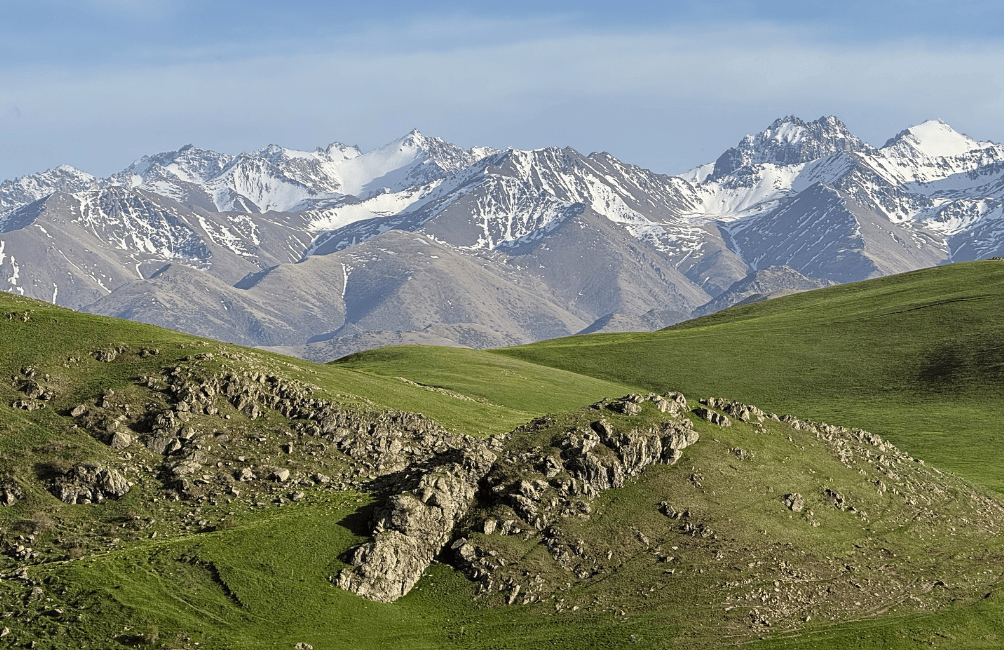
About two-thirds of the population lives in cities, while just over one-third lives in rural areas. This distribution clearly illustrates the country’s contrast: modern cities like Almaty, Astana, and Shymkent on one hand, and vast rural regions, steppes, and mountains on the other.
Kazakhstan is the largest country in Central Asia and one of the largest countries in the world. Yet its population remains relatively small compared to its land area. This low population density is one of the most striking features for travelers.
In practical terms, this means long distances, wide-open landscapes, and some sparsely populated regions. Between two cities, you may travel hundreds of kilometers across steppe, desert, or mountains. It is a very different experience from traveling in Western Europe, where towns and villages are often close together.
.png)
This unique feature directly affects how you plan your trip. When visiting Kazakhstan, you should plan your travel arrangements carefully, choosing between train, domestic flight, a car with a driver, or an organized tour, and avoid underestimating the distances on the map.
💬 Need answers to your questions? Personalized advice? Or a helping hand to organize your next trip to Kazakhstan? Feel free to contact us on WhatsApp, Instagram, email (easternpathsdata@gmail.com) or sign up for a call.
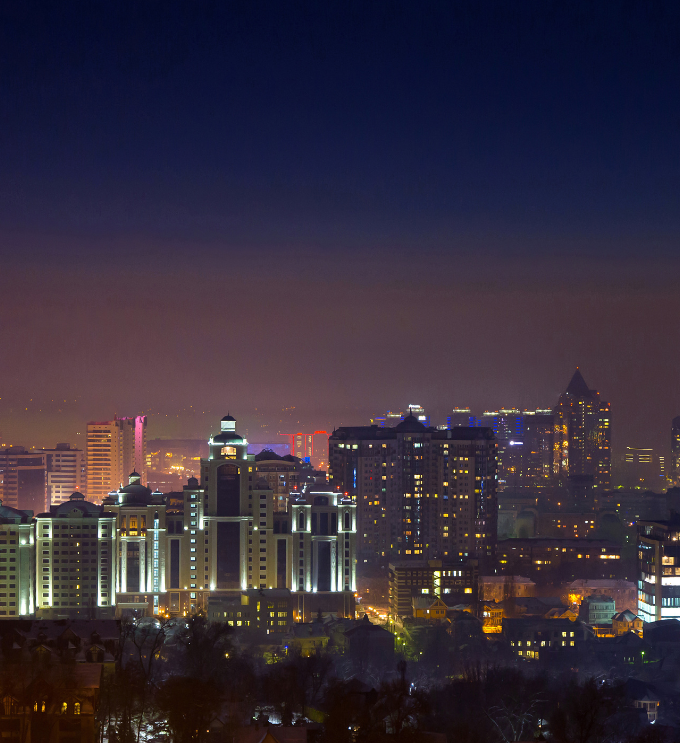
Kazakhstan’s population is concentrated mainly in the major cities and in certain regions of the south and southeast. The three most well-known urban centers are Almaty, Astana, and Shymkent.
Almaty est souvent la porte d’entrée idéale pour un premier voyage au Kazakhstan. Ancienne capitale, grande ville culturelle et économique, elle rassemble une population urbaine, jeune et cosmopolite. On y trouve des cafés modernes, des restaurants variés, des marchés animés, des musées, des parcs et une proximité immédiate avec les montagnes du Tian Shan.
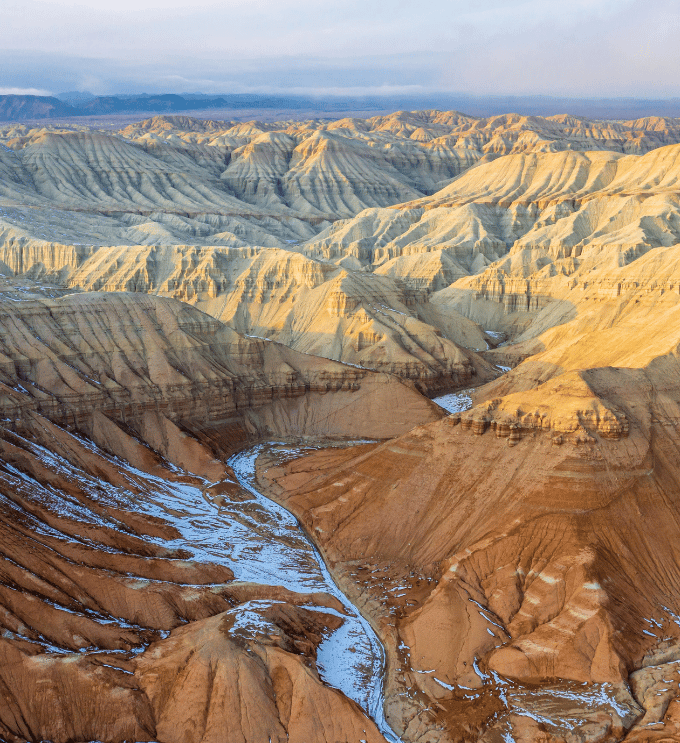
Pour les voyageurs, Almaty est une excellente base pour découvrir le Kazakhstan sans se sentir isolé. Depuis la ville, il est facile d’organiser des excursions vers Medeu, Shymbulak, le Big Almaty Lake, le Canyon de Charyn ou les lacs Kolsay.
Almaty is often the ideal gateway for a first trip to Kazakhstan. As a former capital and a major cultural and economic hub, it is home to a young, cosmopolitan urban population. It features modern cafés, a variety of restaurants, bustling markets, museums, parks, and is situated right next to the Tian Shan Mountains.
For travelers, Almaty is an excellent base for exploring Kazakhstan without feeling isolated. From the city, it’s easy to organize excursions to Medeu, Shymbulak, Big Almaty Lake, Charyn Canyon, or the Kolsay Lakes.
Astana, the capital, offers a different perspective on the country. While Almaty charms with its green, mountainous atmosphere, Astana impresses with its futuristic architecture, wide avenues, and iconic buildings.
The city represents modern, political, and administrative Kazakhstan. It offers insight into the country’s ambition, rapid development, and forward-looking identity. For travelers interested in urban planning, architecture, or recent history, Astana is worth a visit.
Shymkent, in the south of the country, is often associated with a warmer, more southern atmosphere that is closer to Central Asian traditions. It serves as a good gateway to Turkestan, one of Kazakhstan’s most important historic cities.
In this part of the country, the markets, cuisine, Uzbek influences, and religious traditions are more prominent. Southern Kazakhstan offers a different experience from that of Almaty or Astana, with a cultural identity that is older and more regionally distinct.
Kazakhstan is more than just its major cities. Although the urban population is in the majority, rural areas continue to play a vital role in the country’s identity.
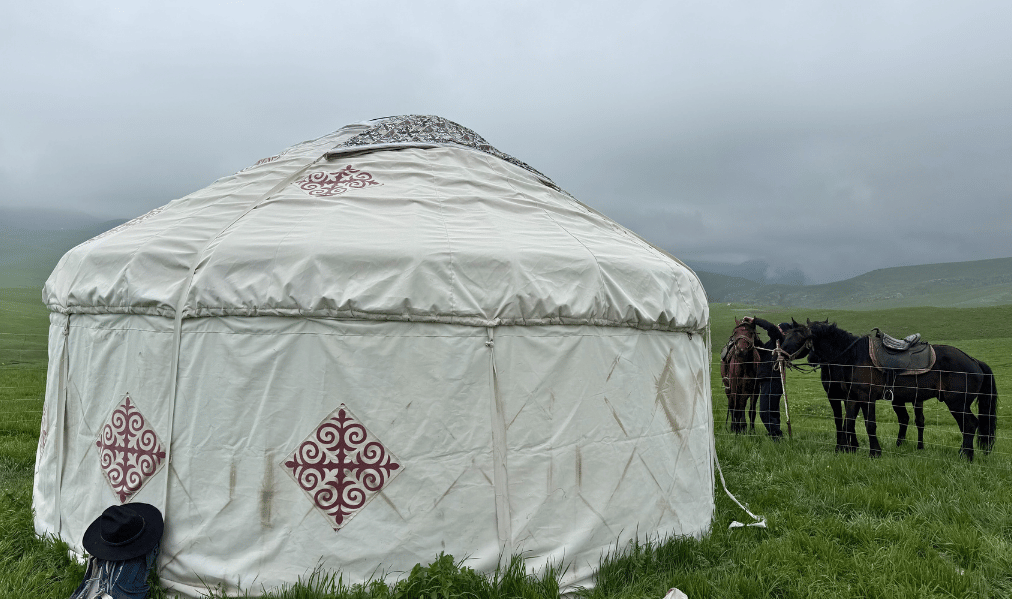
In the villages, Kazakh traditions are often more prominent: hospitality, the importance of family, shared meals, horse culture, local festivals, and a connection to nature. It is also in these regions that one gains a better understanding of Kazakhstan’s nomadic heritage.
.png)
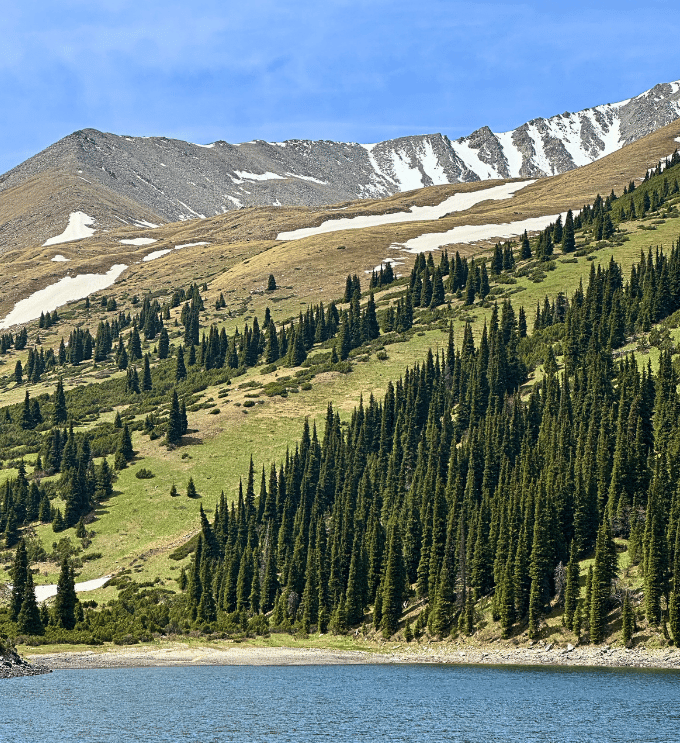
For travelers, this contrast between city and countryside is invaluable. A trip limited to Almaty or Astana will give you a modern view of the country, but not necessarily a complete one. To better understand Kazakhstan, it’s essential to include a stop in a more rural area, such as the mountains, the steppes, or natural sites.
Kazakhstan’s population is characterized by great cultural diversity. Kazakhs form the majority group, but the country is also home to Russian, Uzbek, Ukrainian, Uyghur, German, Tatar, Korean, and other communities.
This diversity is evident in the cities, in the cuisine, in the languages spoken on the streets, and in local traditions. In Almaty, for example, you can go from a traditional Kazakh restaurant to a Korean, Russian, Uzbek, or Georgian spot. This diversity is part of the country’s charm. For travelers, this is an important point: Kazakhstan is not culturally uniform. Each region has its own nuances, influences, and customs.
The two most useful languages for traveling in Kazakhstan are Kazakh and Russian. Kazakh is the national language and plays a central role in the country’s identity. Russian remains widely used, especially in major cities, on public transportation, in shops, hotels, and in everyday interactions. In tourist areas, some young people and tourism professionals also speak English, but you shouldn’t count on it everywhere.
Learning a few basic words in Kazakh or Russian can make a real difference. Even a few simple words can be appreciated. Locals are often touched when a traveler makes the effort to greet them or say thank you in the local language.
Understanding Kazakhstan’s population helps you plan your trip more effectively. Since the country is vast and sparsely populated, it’s best to organize your itinerary around a few key destinations rather than trying to see everything in a short time.
For a first-time visit, a classic itinerary might start in Almaty, with several day trips to the mountains and canyons. Then, head south to visit Shymkent and Turkestan.
Travelers drawn to wide-open spaces may want to explore Mangystau, the steppes, the lakes, or the mountainous regions. In these areas, the low population density creates a strong sense of isolation and freedom, but also requires more preparation.
.png)
🏔️ Check out our page dedicated to upcoming expeditions in the Tian Shan, the Altai region, or to experience horseback trekking and jeep tours in the remote regions of Kazakhstan. These dates don’t work for you, or you are looking for something more personalized? Contact us — we’ll help you organize your next journey!
Kazakhstan isn’t just about its museums, monuments, or landscapes. It’s also—and above all—about its people. Everyday interactions are an integral part of the travel experience.
In markets, train stations, small restaurants, or villages, maintain a respectful and patient attitude. People may seem reserved at first, but Kazakh hospitality is genuine, especially once trust is established.
If you’re invited to share a meal, accept if you can. The table holds an important place in local culture. Tea, bread, meat, dairy products, and traditional dishes like beshbarmak are all part of the experience!
Travelling to Kazakhstan as a single woman
Do you need a visa to go to Kazakhstan?
Visit Charyn Canyon in Kazakhstan
%20(1).gif)
.png)