.png)
%20(Medium)%20(Small).JPG)
When we think of the Silk Road, we imagine a vast network of trade routes connecting China to the gates of Europe, passing through Central Asia, Persia, the Middle East, and the Mediterranean world. For centuries, these routes carried not only goods but also ideas, knowledge, religions, and artistic influences.
In Central Asia, the Silk Road formed a dense network of routes, staging posts, and trade hubs connecting several major civilizations: Chinese, Persian, Turkic, Indian, and, later, Russian.
Thanks to this strategic location, the region became a major hub for travel, trade, and encounters between East and West. Caravans found markets, water sources, resting places, and fortified cities where they could seek shelter before continuing on their way.
Lively urban centers developed around these stops, frequented by merchants, pilgrims, artisans, scholars, and travelers from very different regions.
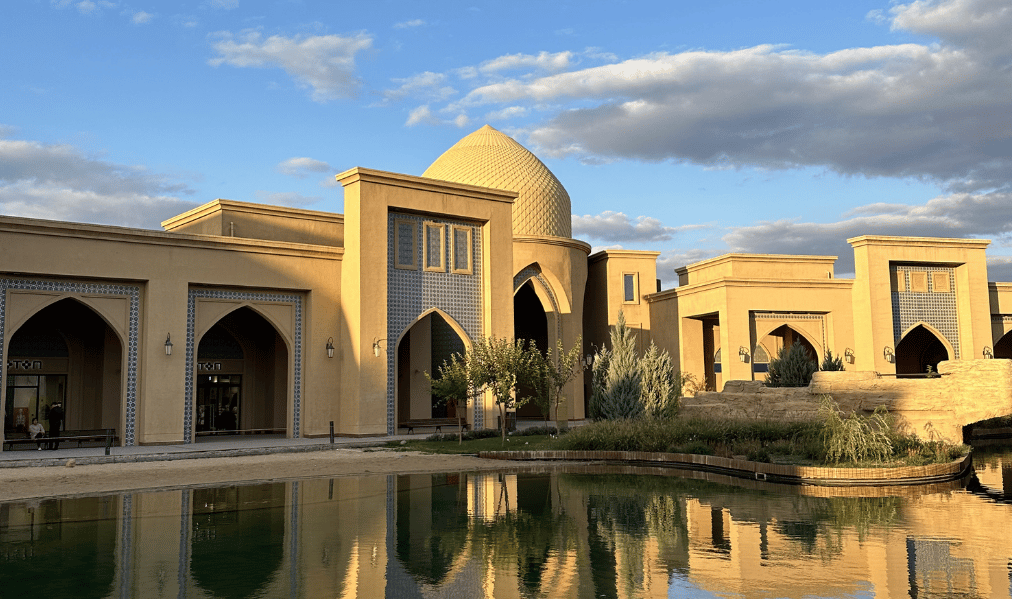
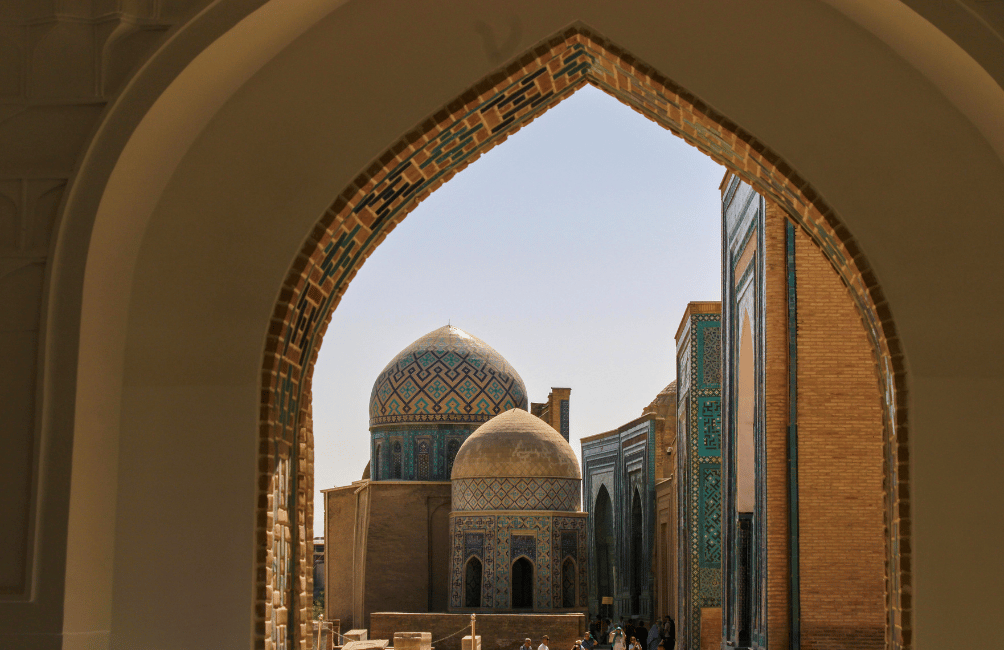
Kazakhstan is rarely the first country that comes to mind when planning a trip along the Silk Road. Uzbekistan attracts more attention thanks to Samarkand, Bukhara, and Khiva, whose monumental architecture has become emblematic of Central Asia. Yet Kazakhstan possesses a significant historical heritage, often more understated but deeply connected to the great caravan routes.
What makes the Silk Road in Kazakhstan particularly fascinating is its blend of sedentary heritage and nomadic culture.
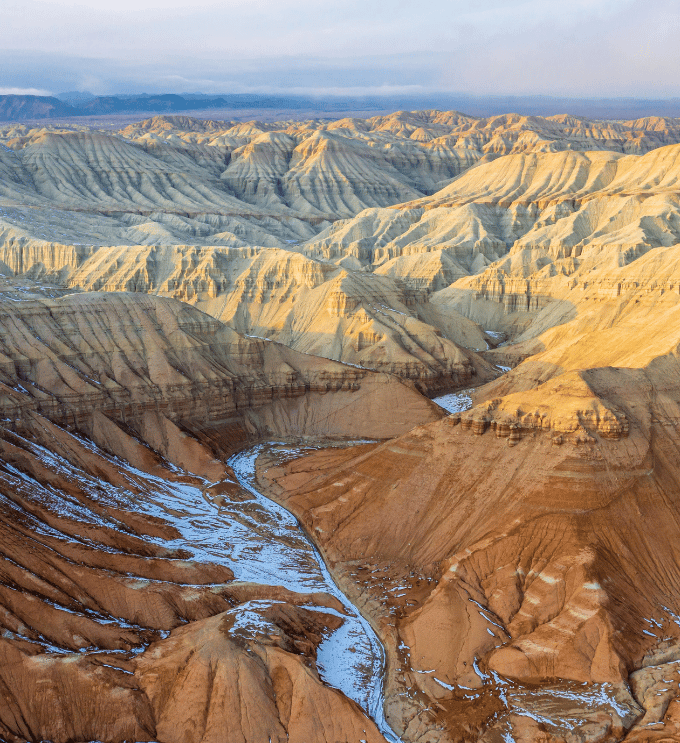
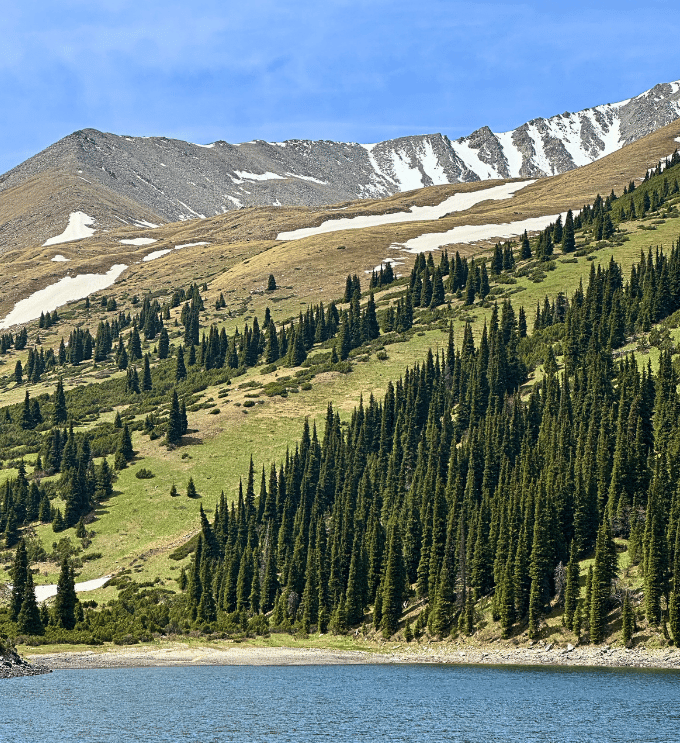
The journey is not limited to visiting monuments; it also offers insight into how trade adapted to this vast landscape, characterized by steppes, mountains, valleys, and oases.
Kazakhstan was a land of transition. It served as a passageway from one world to another: from the Tian Shan mountains to the southern plains, from caravan cities to nomadic encampments, from urban markets to the open roads of the steppe.
The sites are often less crowded than the major Uzbek cities; the atmosphere is more peaceful, and you get a stronger sense of exploration.
Taraz is one of the oldest cities in Kazakhstan. Located along a major historic trade route, it is home to several monuments, mausoleums, and remnants of its past as a caravan hub. The region offers insight into the importance of southern Kazakhstan in trade between the various civilizations of Central Asia.
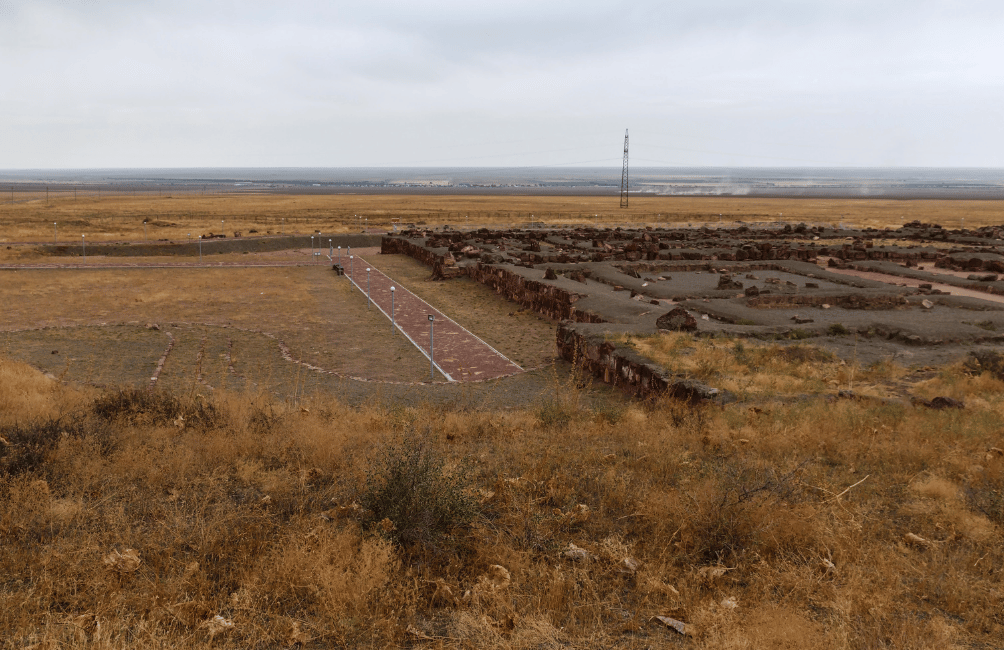
Shymkent is often used as a starting point or stopover for exploring southern Kazakhstan. The city is particularly useful for its convenient location: it provides easy access to Turkestan, Otrar, Sauran, and Sayram.
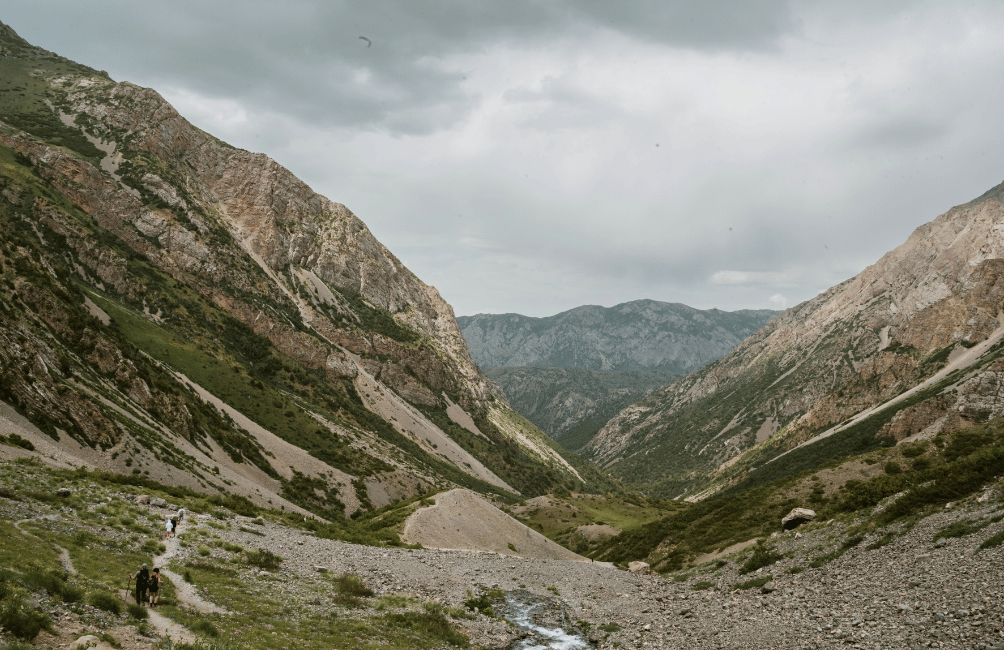
Located on the outskirts of Shymkent, Sayram is an ancient Silk Road city, formerly known as Ispijab. It retains several traces of its past, including mausoleums and sites linked to the region’s religious history.
The Otrar site offers a glimpse into the ruins of an ancient Silk Road city. The city was a major hub for trade, commerce, and culture in Central Asia. Today, its ruins bear witness to this past and allow visitors to imagine the significance Otrar must have held in its heyday. A visit to the site offers a glimpse into the region’s history and the role of ancient caravan cities.
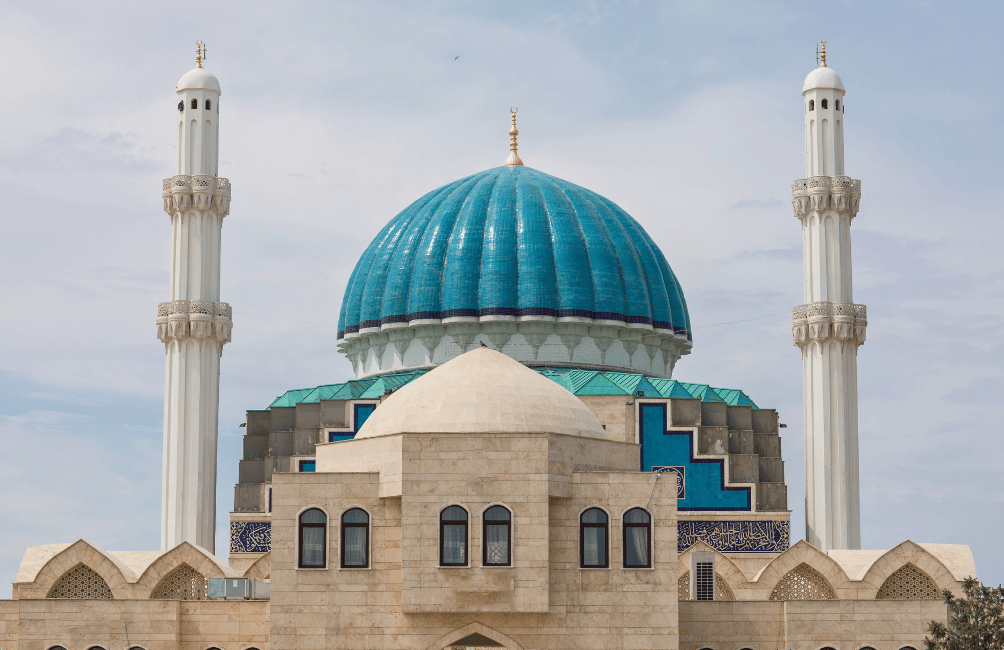
Among the must-see stops along the Silk Road in Kazakhstan, Turkestan holds a central place. This spiritual and historic city is famous for the mausoleum of Khoja Ahmed Yasawi, a magnificent example of Timurid architecture and a major pilgrimage site.
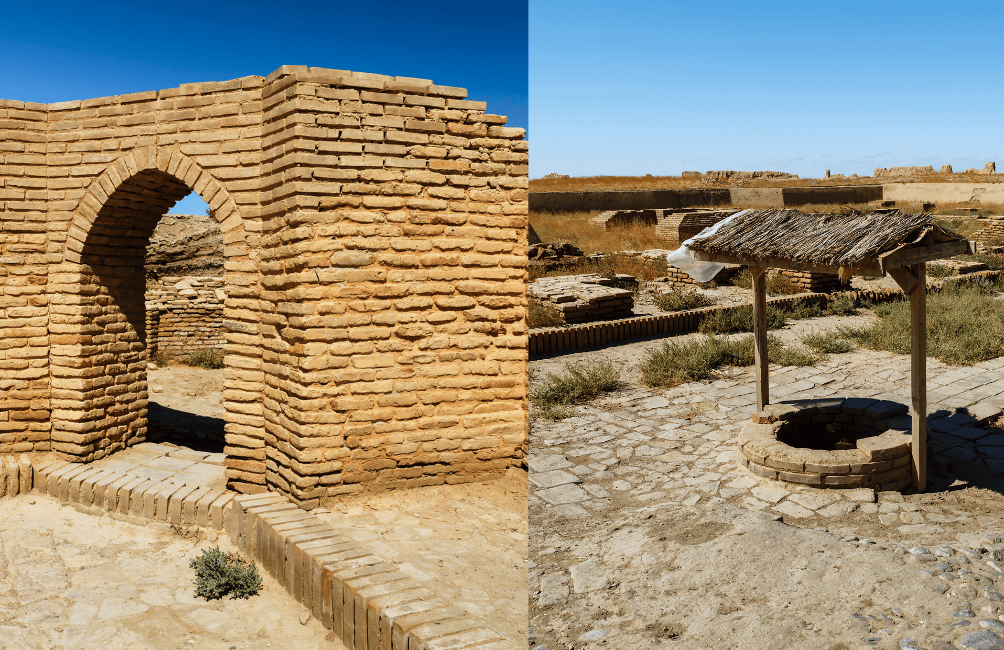
Sauran is another important site to visit in the region. This ancient fortified city still retains part of its ramparts, which offer insight into its role in the steppe. In particular, it served as a place of refuge, trade, and resupply along the caravan routes.
For this trip, a car is essential: the sites are very far apart and connected by major highways. The roads are therefore passable, and a 4x4 vehicle is not necessary, but the distances are vast.
If you visit Kazakhstan, you will certainly pass through Almaty, the country’s former capital and one of the most pleasant gateways to exploring southern Kazakhstan. Thanks to its international airport, which handles numerous flights, the city is also one of the best starting points for a Silk Road itinerary.
From Almaty, the route can continue to Taraz, 490 km to the west, one of the major historical stops on the Silk Road in Kazakhstan.
Then continue to Shymkent, about 180 km away, following the Kazakh border westward. This bustling city in the south of the country is often considered an excellent starting point for exploring nearby sites.
From there, you can reach Otrar, about 150 km to the northwest, whose ruins serve as a reminder of the region’s commercial and intellectual significance.
The next stop is Turkestan, 60 km to the north, undoubtedly one of the highlights of the itinerary. It is a must-see for any historical tour.
Finally, a visit to Sauran, 35 km away, perfectly rounds out the trip.

🏔️ Check out our page dedicated to upcoming expeditions in the Tian Shan, the Altai region, or to experience horseback trekking and jeep tours in the remote regions of Kazakhstan. These dates don’t work for you, or you are looking for something more personalized? Contact us — we’ll help you organize your next journey!
Travelling to Kazakhstan as a single woman
Do you need a visa to go to Kazakhstan?
Visit Charyn Canyon in Kazakhstan
%20(1).gif)
.png)